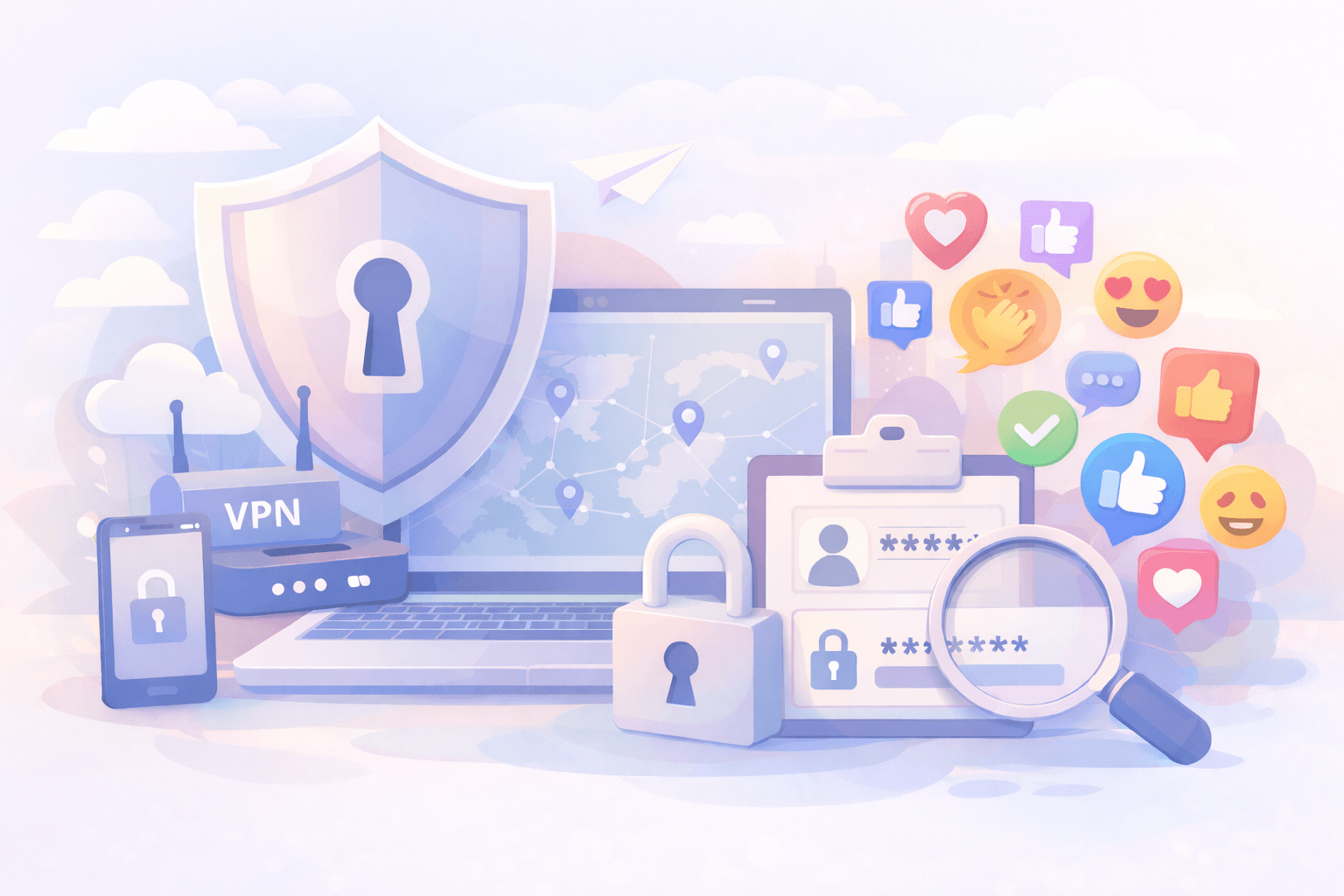
Closed Source vs. Open Source VPN: Why Does It Matter?
When choosing a VPN service, whether the software is closed source or open source is a critical factor for security and trustworthiness. In closed source VPNs, the code is kept secret by the company; users or independent experts have no way to audit how the software truly works, what data it collects, or whether it contains any security vulnerabilities. In open source VPNs, the entire source code of the software is publicly available. Whether there are backdoors, data leaks, or intentional vulnerabilities can be examined by anyone. Outline VPN, developed by Google's technology incubator Jigsaw, is one of the rare VPN solutions that is completely open source. This transparency makes Outline VPN one of the most preferred options for security.
How Open Source Contributes to Security
An open source VPN software benefits from the 'many eyes' principle (Linus's Law). Independent security researchers, developers, and enthusiasts from around the world can examine the source code to identify and fix potential security vulnerabilities. This makes it nearly impossible to hide any malicious 'backdoors' or intentional weaknesses. Outline VPN's open source code is publicly available on GitHub. This allows independent experts to verify that the company's promised 'zero log policy' is actually implemented, that encryption protocols comply with standards, and that there are no data leakage mechanisms. Such verification is impossible with closed source commercial VPNs; users are forced to rely on the company's 'trust us' statements.
Outline VPN's Place in the Open Source Ecosystem
Outline VPN is fully open source, including not only client applications but also server software and management tools. This means that both individual users and organizations can host their own VPN servers on their own infrastructure. The Outline Manager and Outline Server software developed by Jigsaw allow anyone to set up their own secure VPN server. This is a significant advantage, especially for journalists, activists, and high-risk users. Thanks to open source, you can create a fully controlled VPN infrastructure without any third-party intervention. User data actually goes to your own server, and the Outline company is not involved in this process at all. This eliminates the need for a 'trusted third party', providing the highest level of privacy.
Advantages of Using Open Source VPN
Full Transparency: Source code can be examined by anyone; no hidden functionality or backdoors
Independent Auditing: Security experts continuously analyze the code and report vulnerabilities
Customizability: Organizations or advanced users can modify the software according to their needs
Self-Hosting: Build your own VPN infrastructure from scratch with Outline, never share your data with third parties
Community Support: Developers worldwide continuously provide improvements and security patches
Risks of Closed Source VPNs
There are many popular closed source VPN services on the market. Unfortunately, some of these services have been criticized for collecting user data, sharing it with ad networks, or hiding security vulnerabilities. Closed source code makes it impossible to independently verify such issues. Even if companies claim a 'zero log' policy, there is no way to know if this claim is true. Additionally, some closed source VPNs are known to have 'warrant canaries' that can start logging user data at the request of authorities. Outline VPN's open source structure completely eliminates such risks. Because independent researchers constantly examining the code would immediately notice any changes and disclose them to the public.
Outline VPN: The Meeting of Google Technology and Open Source
Outline VPN, developed by Google's technology incubator Jigsaw, carries the engineering standards of one of the world's largest technology companies. However, since it is not a commercial product, there are no concerns like data collection or ad revenue. Thanks to its open source license (Apache 2.0), anyone can use it for free, examine it, and even host it on their own server. Outline VPN also uses the Shadowsocks protocol, optimized to bypass censorship techniques like DPI (Deep Packet Inspection). This technical superiority is continuously developed thanks to open source, staying up-to-date against censorship technologies.
Digital Freedom with Open Source Philosophy
Digital freedom is not just about bypassing censorship; it's also the right to know which software to trust. The open source philosophy forms the foundation of this right. Outline VPN not only provides users with a secure connection but also gives them the freedom to understand and audit how this connection works. If you take your digital privacy seriously, choose a transparent and auditable solution like Outline VPN instead of trusting closed source 'black boxes'. Truly own your digital freedom with Outline VPN. We offer risk-free trial opportunity with 24/7 multilingual support and 14-day money-back guarantee. Discover the power of open source, stay secure with Outline VPN.
Related Topics
 03.10.2025
Digital Freedom with Outline VPN: Ways to Overcome Internet Censorship
Today, internet users in many countries face various censorship and access restrictions. Access to social media platforms, news sites, educational resources, and even some business applications can be limited. This situation negatively affects not only freedom of information but also business life, education, and social communication. Outline VPN is a powerful solution developed by Google's technology incubator Jigsaw, designed to overcome internet censorship and reclaim digital freedom. With servers in over 75 countries, it provides secure access to all types of blocked content.
 03.10.2025
Outline VPN Setup Guide: How to Start Using in 5 Minutes
To start using Outline VPN, you first need to choose an access key package that suits your needs. Outline VPN offers three different packages: Basic, Standard, and Premium. Each package offers different traffic amounts and features. After selecting your package, complete the payment process. Once your payment is confirmed, your access key will be instantly delivered to your email address. This key is a unique code that allows you to connect to Outline VPN. After receiving your key, you can quickly complete the setup by following the steps below.
08.10.2025
Social Media Security with Outline VPN: Protecting Your Account Information Guide
Today, social media platforms have become an indispensable part of our personal and professional lives. However, platforms like Facebook, Instagram, Twitter, and LinkedIn are among the most targeted areas by cybercriminals. Account hacking, identity theft, data leaks, and misuse of personal information pose significant threats to social media users. Outline VPN, developed by Google's technology incubator Jigsaw, is a professional solution designed to secure your social media accounts. All your social media traffic is protected with 256-bit military-grade encryption.